Bangkok has long been a go-to destination for travelers hunting for quality, affordable tailor-made suits. In this guide we break down typical Bangkok tailor suit price ranges, explain what drives cost differences, and give practical tips so you get the best value without sacrificing fit or fabric. Whether you’re buying a single suit for an event or outfitting a small business wardrobe, understanding price drivers and how to compare quotes will save you time and money.
Why Bangkok Is Popular For Tailor-Made Suits
Bangkok’s reputation for tailor-made suits stems from a mix of history, skilled artisans, and competitive pricing. For decades the city has attracted business travelers and tourists looking for custom garments that often cost a fraction of what they’d pay back home. We’ve found three reasons Bangkok stands out:
- Skilled workforce: Many Bangkok tailors apprenticed for years, learning traditional pattern-making and hand-finishing techniques. That local skill translates into consistently good fittings and attention to detail.
- Supply chain and fabrics: Thailand’s long-established relationships with European and Asian fabric mills mean tailors can source a wide range of cloths, from inexpensive polyester blends to high-quality Super 120s and 150s wool, often at lower prices than in Western markets.
- Competitive market: With hundreds of tailors across market districts and shopping centers, price competition keeps costs down and encourages better service.
We should note: lower price doesn’t always equal lower quality. Many mid-range shops in Bangkok produce excellent suits. The trick is knowing what to look for when you compare prices and options.
Typical Price Ranges For Tailor-Made Suits In Bangkok
To set expectations, here’s a practical breakdown of what typical Bangkok tailor suit price ranges look like as of our latest observations:
- Budget range: $80–$180, These suits usually use lower-cost fabrics (polyester blends or basic wool blends) and may have simpler construction and fewer fittings. Good for one-off wear or when you’re price-sensitive.
- Mid-range: $200–$450, The most common choice for travelers. Expect better wool (Super 100s–120s), more tailoring time, and 1–2 fittings. Construction is usually solid, with options for some custom details.
- Premium range: $500–$1,200+, These suits use high-end fabrics (Super 130s–150s, sometimes mill-branded cloth), more handwork, multiple fittings, and finer finishing. Workshops and bespoke houses fall into this bracket.
These figures are general: we’ll explain below why a given tailor’s quote might be higher or lower.
Fabric And Construction: How They Affect Price
Fabric choice is the single biggest driver of price. A Super 100s wool from a generic mill will cost much less than a Super 140s from a named Italian mill. Cloth origin, thread count, and fiber content (wool, wool-silk blends, linen, cotton) change both the hand and the price significantly.
Construction, whether the jacket is fused or canvassed, half-canvassed or fully canvassed, also impacts cost and longevity. Fused jackets use an iron-on interlining and are cheaper but more prone to bubbling over time. A half-canvassed or fully canvassed jacket involves stitching a canvas between the outer fabric and lining, giving better drape and durability. Expect fused jackets primarily in the budget range, half-canvassed in mid-range, and fully canvassed in premium workshops.
Bespoke Vs. Made-To-Measure Vs. Off-The-Rack: Cost Differences
- Off-the-rack (ready-made): Lowest cost, minimal alterations. If you find a good fit off the rack, it’s the fastest and cheapest route.
- Made-to-measure (MTM): Uses a standard block with adjustments. Prices usually sit in the budget to mid-range depending on fabric and number of fittings.
- Bespoke: Pattern is drafted from scratch for the individual. Bespoke costs the most due to the time-intensive pattern-making and multiple fittings: it’s where you’ll see the highest Bangkok tailor suit price tags.
In practice, MTM gives the best balance for most travelers: improved fit without the time or expense of full bespoke.
Key Factors That Influence Suit Prices In Bangkok
Several consistent factors affect what you’ll pay. We’ll run through the most impactful ones so you can target the right combination of price and quality.
Tailor Reputation And Experience
Reputation matters. Established ateliers with international clients and long histories can command higher prices because they deliver predictable fit, superior finish, and reliable timelines. Street tailors and newer shops may undercut prices, but results vary widely.
When evaluating a tailor’s reputation we recommend checking recent reviews, asking for before-and-after photos, and, if possible, examining finished samples in person. A slightly higher price at a reputable shop often saves you time and rework cost.
Fabric Origin And Quality
As mentioned earlier, fabric origin (Italian, British, Japanese, local mills) drastically changes cost. Italian mills like Vitale Barberis Canonico, Loro Piana, or Reda command premiums. Japanese suiting is often prized for unique weaves and durability. Local or unlabeled fabrics are cheaper but may not wear as well.
We always ask tailors to show the cloth book and, when necessary, to explain fiber content and recommended use. That short conversation helps us understand the trade-offs between price, feel, and long-term value.
Where To Shop And How To Compare Prices Safely
Bangkok’s tailoring scene divides roughly into market stalls, street tailors with small workshops, and high-end ateliers. Each has pros and cons: our priority is to help you compare fairly and safely.
Market Areas, Street Tailors, And High-End Workshops
We recommend visiting at least two different types of shops to compare workmanship, cloth options, and timelines.
What To Ask When Comparing Quotes
When we compare quotes, we always ask the same set of clear questions:
Get quotes in writing (a simple text message or email is fine). That reduces misunderstandings and lets you compare apples to apples.
Practical Tips To Get The Best Value For Your Budget
We’ve learned a few practical strategies that help maximize value without wasting money on unnecessary upgrades.
Choosing The Right Fabric For Cost Vs. Durability
Think of fabric as a long-term investment. If you plan to wear the suit frequently, opt for mid-weight wool (Super 100s–120s) which balances durability and price. Save premiums like Super 140s–150s for special-occasion suits.
Avoid cheap polyester blends for suits you’ll wear often, they look good initially but pill and lose structure. If you want a dressy option at a lower price, consider a wool-blend with at least 30–50% natural fibers.
Getting Accurate Measurements And Attending Fittings
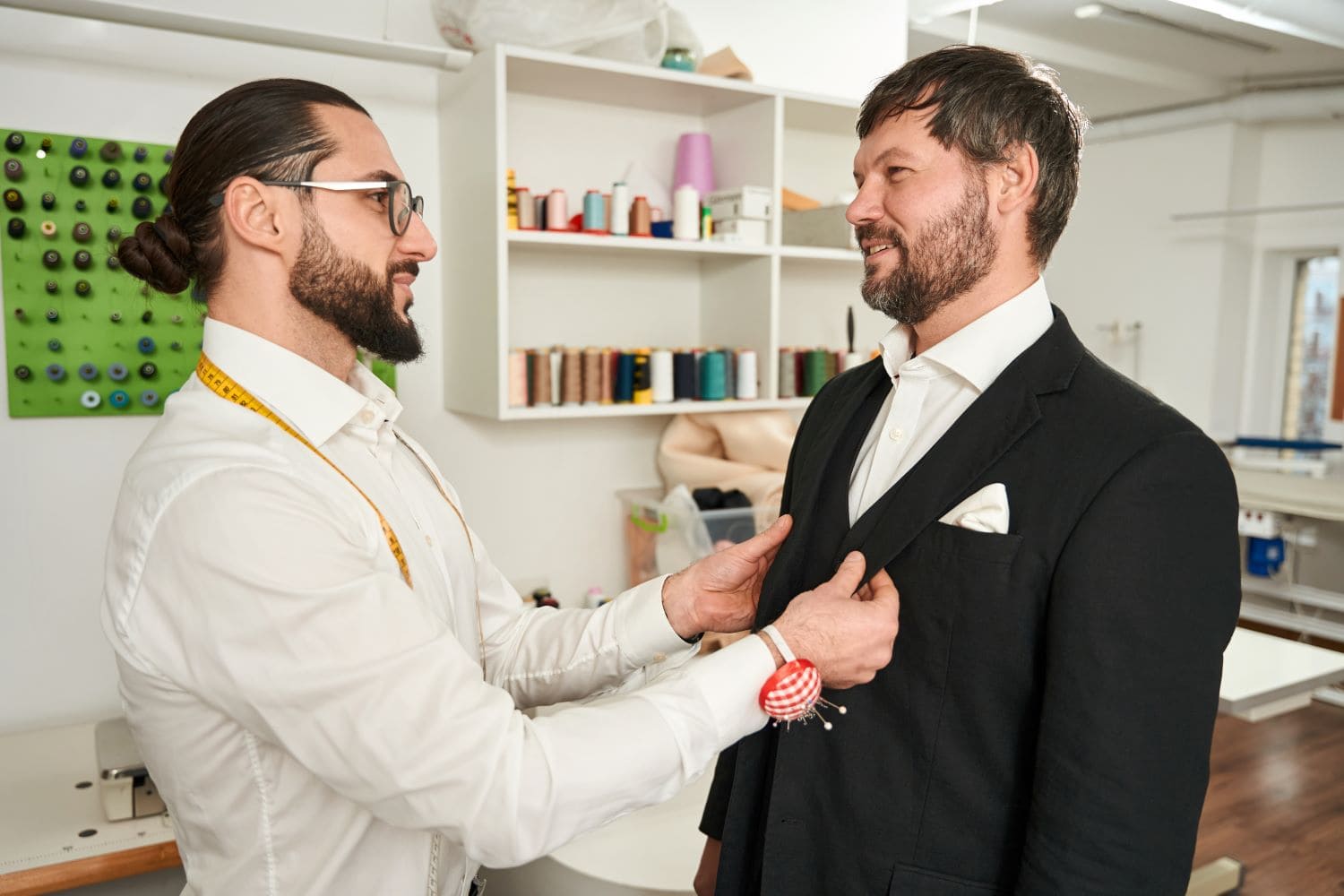
Bring shoes and shirts you’ll wear with the suit to fittings. We always recommend attending at least one fitting to tweak shoulder lines and sleeve length. Take photos at fittings if possible, photos reveal posture and silhouette issues not always obvious in the mirror.
Also, be realistic about turnaround: rush jobs often cost more and may compromise finish. If you have time, schedule fittings over several days to allow for incremental adjustments.
Other small money-savers we use: choose standard linings and button styles (specialty linings add cost), bundle multiple pieces (a two-piece suit plus shirts or trousers often gets a better per-piece price), and negotiate politely, many tailors will offer a small discount for repeat business or if you’re buying multiple garments.
Conclusion
Bangkok tailor suit price varies widely because of fabric choices, construction methods, and the tailor’s reputation. We find the best results when we set a clear budget, choose fabrics that match intended use, and compare two or three reputable shops before committing. For most travelers the sweet spot is a mid-range made-to-measure suit in Super 100s–120s wool, good value, reliable durability, and a high chance of a great fit. If you value longevity and the perfect fit, a premium bespoke suit can be worth the extra cost. Either way, ask the right questions, attend fittings, and don’t rush: a little planning goes a long way toward getting a suit you’ll wear with confidence.